
The Safety of Hemp-Derived Cannabinoids
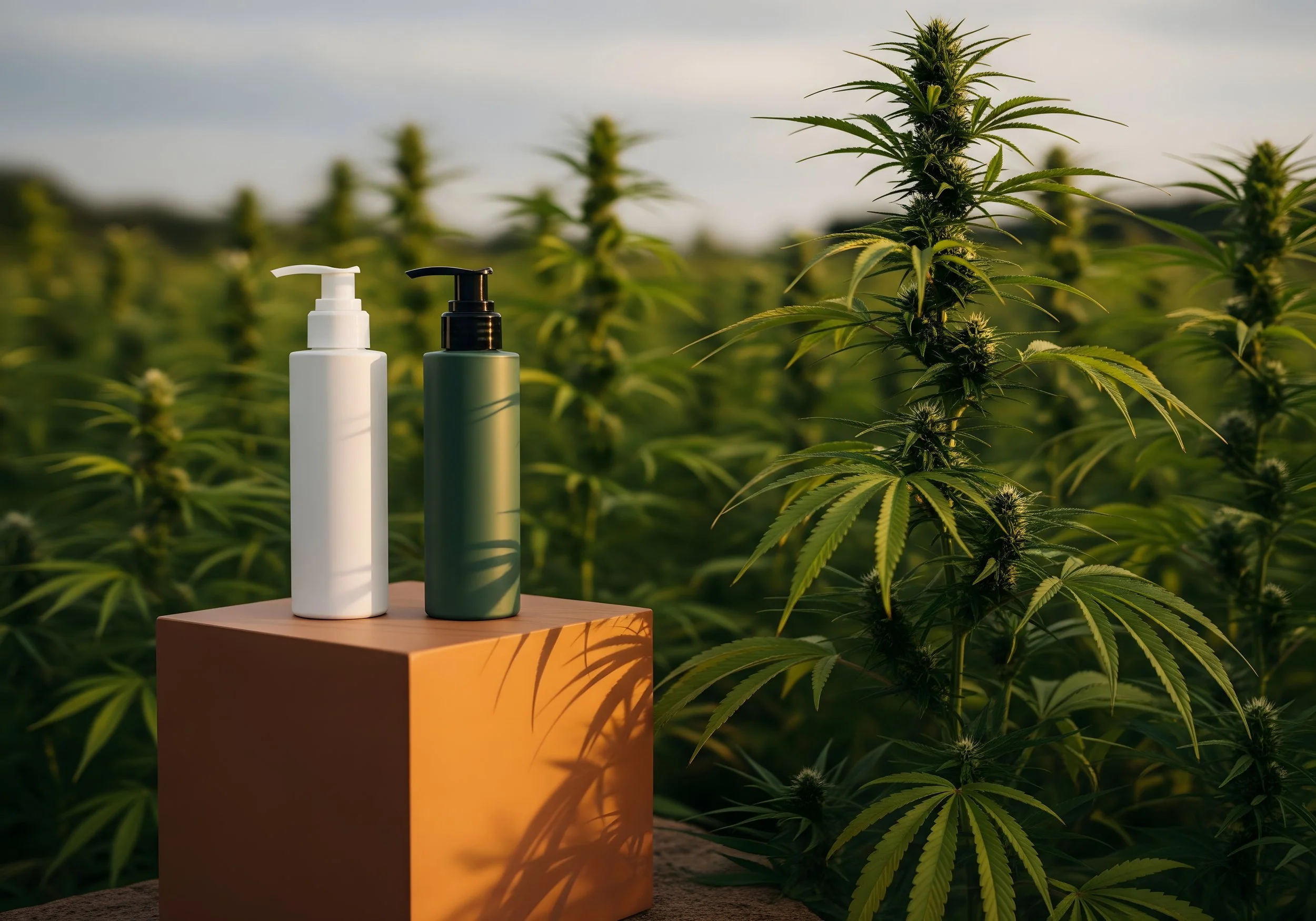
The versatile hemp plant has been around for thousands and thousands of years, and had been used by humans typically for fiber, seeds, and oil.
In more recent years, we have seen hemp used in industrial products like paper and biofuels, construction materials like “hempcrete,” and in textiles. Consumable hemp products like hemp oil, hemp milk, and hemp seeds are readily available and are a popular health food.
Not all hemp products are created equal
The 2018 Farm Bill federally legalized hemp and its derivatives (as long as the delta-9 THC content is below 0.3% by dry weight). This opened the door to a huge wave of new hemp products, but it also left a regulatory gap. Many products on the market today are technically legal but operate in a grey area with little oversight, especially compared to state-regulated cannabis products.
The regulated cannabis industry follows fairly strict protocols to maintain compliance with health and safety laws. From beginning to end, measures are put in place to ensure the products on the shelves are consistent and safe for consumers. These same regulations are not imposed upon the hemp industry, though some producers do strive to maintain similar safety standards. Many trusted hemp retailers include the test results from laboratories to ensure product safety.
What to look for in a safe hemp product
With so many hemp-derived products now available, from CBD tinctures and delta-8 gummies to hemp-based wellness drinks, it’s more important than ever for consumers to know how to separate trustworthy options from the questionable ones. Unlike products sold in licensed cannabis dispensaries, hemp products are not always subject to strict safety regulations or testing requirements. That means the responsibility often falls on the consumer to evaluate what’s safe.
A safe hemp product starts with transparency and quality control. Reputable producers will provide clear product information, source their hemp responsibly, and most importantly, offer third-party lab testing with access to Certificates of Analysis (COAs). These documents verify the product’s cannabinoid content and confirm that it has been tested for harmful contaminants.
Third-party testing means the product was evaluated by an independent lab, not the manufacturer themselves, ensuring a more objective look at what’s really inside.
Lab testing helps protect consumers by verifying that the product is free from harmful substances. A proper COA should be recent, specific to the product or batch, and include results for things like:
Cannabinoid potency – Ensures the product’s cannabinoid levels match what’s promised by the manufacturer
Heavy metals – Ensures levels of lead, arsenic, and mercury are not dangerously high
Pesticides – Confirms that no harmful chemicals used during cultivation remain in the product
Microbials – Screens for mold, bacteria, or yeast that can be harmful to ingest
Residual solvents – Makes sure that chemical solvents used during extraction are not left behind
If a product doesn’t come with a COA or the results are hard to find, that’s a major red flag.
Without mandatory oversight, some hemp-derived products may be inaccurately labeled, or worse, unsafe. It’s not uncommon to see products that contain significantly more or less THC or CBD than advertised, or include traces of harmful substances. Others might use misleading language, like calling something “legal in all 50 states” without clarifying how or why.
Sketchy marketing claims like “guaranteed to get you high” or packaging that mimics candy brands can also signal a lack of professionalism or care for consumer safety. These types of products not only pose potential health risks but also undermine the credibility of the entire hemp industry.
Stay smart, stay joyful
Hemp-derived goodies can add a whole lot of joy to your day — but only if they’re made with safety in mind. Before you pop, sip, or snack, take a sec to peek at the label, check for lab results, and make sure you know what you’re getting into. A little homework goes a long way toward a good time. Trust the brands that do it right — and leave the mystery gummies on the gas station shelf where they belong.