
What is CBD, Really?
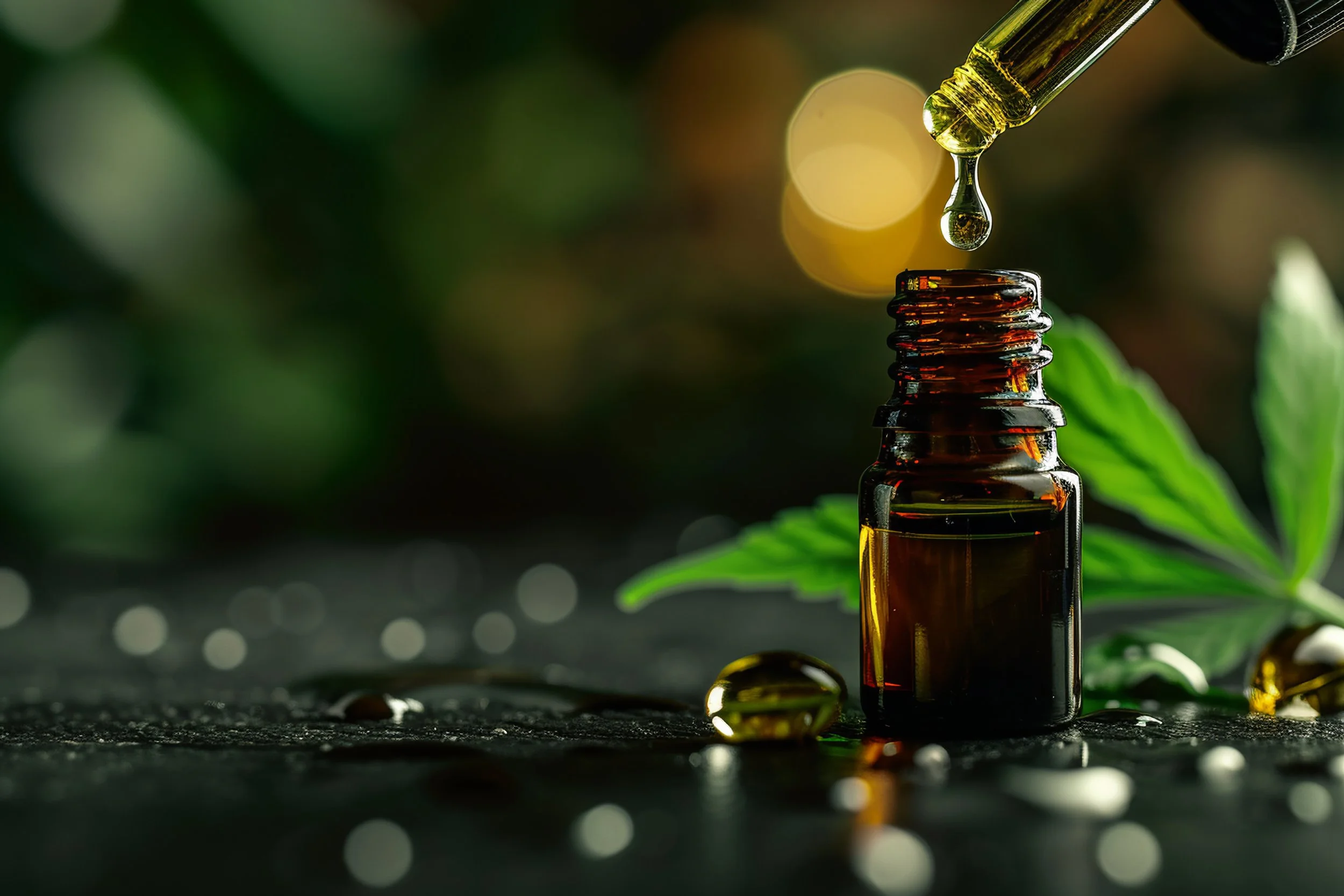
By now, most people know that the cannabis plant, including federally legal hemp, contains THC, the primary psychoactive compound responsible for the “high” associated with marijuana. But THC (tetrahydrocannabinol) is just one of many cannabinoids found in the plant. Another increasingly popular one? CBD.
Short for cannabidiol, CBD has grown in popularity for its calming, non-intoxicating effects. According to Harvard Medical School, some early research and anecdotal reports suggest CBD may help with pain management, sleep support, and stress relief. For those who want to experience the wellness potential of cannabis without the high, CBD offers a gentle and widely accessible alternative. According to the article, CBD “...is believed to modulate the body's endocannabinoid system (ECS), which plays a role in regulating various physiological processes, including pain sensation, mood, and immune response.”
Many consumers enjoy a CBD product in the evening to help ease them into sleep. As noted in a report from the National Cannabis Industry Association, “Consumers spend billions of dollars annually on CBD alone, demonstrating the popularity and demand for cannabinoids, which are commonly incorporated into topical products (beauty creams, oils, balms, and sprays), ingested products (dietary supplements, beverages, edibles), and inhaled products (hemp pre-rolls and vaped goods).”
In addition to encouraging rest and relaxation, some people report that microdosing CBD can even boost their work performance by lowering stress levels and allowing for clearer focus on the tasks at hand.
As of 2018, CBD has been recognized as a medicine by the U.S. Food and Drug Administration, when they approved a drug called Epidiolex, “an almost pure pharmaceutical CBD formulation, as a treatment for two severe pediatric seizure disorders, Lennox-Gastaut syndrome and Dravet syndrome.”
For the average consumer, CBD is available through regulated cannabis dispensaries, specialty wellness stores, and online retailers. In some cases, CBD topicals like creams and lotions can even be found in national pharmacy chains. Regardless of where you shop, it’s important to choose products that have been third-party lab tested to verify safety and potency.
When it comes to dosage, everyone is different. For those new to CBD, the golden rule, as with THC, is to start low and go slow to find what works for your body. Many people find a 10mg dose of CBD effective, while others may prefer products that combine CBD and THC in specific ratios, such as 1:1 or even 20:1, for a subtle experience of what’s known as the entourage effect — the theory that cannabinoids work better together than alone.
CBD is just one piece of a much larger picture when it comes to understanding cannabinoids and how they interact with our bodies. As research evolves and new formulations hit the market, there’s more to discover about the many compounds found in hemp, including CBG, CBN, and beyond. Whether you're curious about how these cannabinoids work together, how to choose safe products, or how to incorporate CBD into your wellness routine, we’re here to help you navigate it all.